Box Breathing
Breathe in for four counts, hold for four counts, exhale for four counts, and hold for four counts. Repeat this cycle several times to help calm your nervous system.
Evidence-informed techniques to support your well-being in daily life
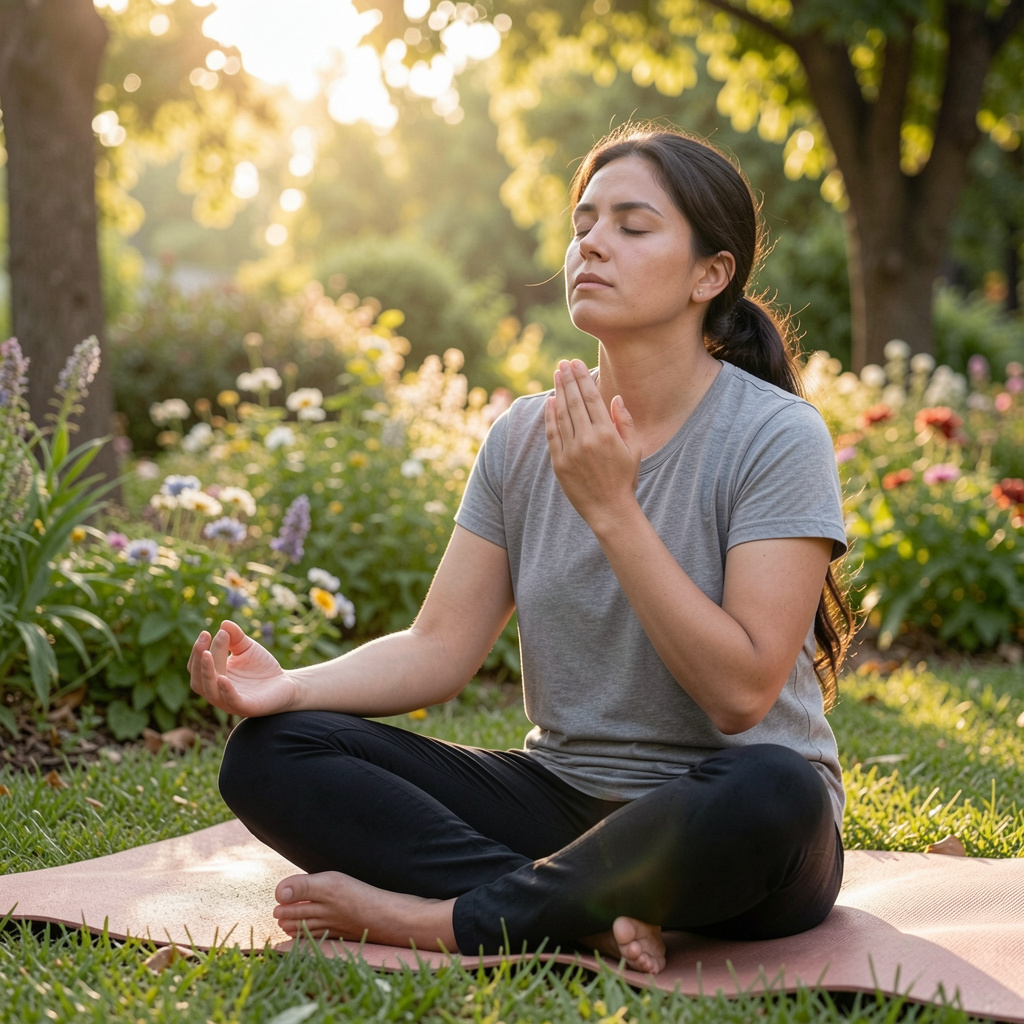
Conscious breathing is one of the most accessible tools for managing moments of tension. These techniques can be practiced anywhere, anytime.
Breathe in for four counts, hold for four counts, exhale for four counts, and hold for four counts. Repeat this cycle several times to help calm your nervous system.
Breathe in naturally, then extend your exhale to be longer than your inhale. This activates the relaxation response in your body.
Place one hand on your chest and one on your belly. Breathe deeply so that your belly rises more than your chest, promoting fuller, more relaxing breaths.
Movement and physical awareness can play an important role in managing stress and supporting overall well-being.
Systematically tense and then relax different muscle groups in your body. Start with your toes and work up to your head, noticing the difference between tension and relaxation.
Simple stretches can release physical tension that accumulates during the day. Focus on areas where you tend to hold stress, such as your neck, shoulders, and back.
Take a walk while paying attention to the sensation of your feet touching the ground, the rhythm of your steps, and your surroundings. This combines movement with mindful awareness.
Incorporating regular physical activity into your routine, whether walking, swimming, dancing, or other forms of movement you enjoy, can support stress management.
Practice noticing your thoughts without immediately reacting to them. Observe them as passing mental events rather than absolute truths.
Taking time to acknowledge things you appreciate, even small ones, can help shift your perspective during challenging times.
Consider whether your expectations of yourself are reasonable. Adjusting overly demanding standards can reduce unnecessary pressure.
When facing challenges, distinguish between what you can influence and what is outside your control. Direct your energy toward actionable steps.
Certain lifestyle choices can support your capacity to manage stress more effectively over time.
Prioritizing consistent sleep schedules, creating a restful environment, and establishing calming bedtime routines can support better sleep quality, which in turn affects stress resilience.
While no specific diet eliminates stress, being mindful of how different foods affect your energy and mood can be informative. Regular, balanced meals may help maintain steadier energy throughout the day.
Maintaining connections with supportive people in your life can provide perspective and emotional support during stressful periods.
Spending time outdoors, when possible, has been associated with reduced stress levels and improved mood in research studies.
Engaging in creative activities you enjoy, whether art, music, writing, or crafts, can provide an outlet for processing emotions and taking a break from stressors.
Important Notice: All materials and practices presented are for educational and informational purposes only and are intended to support general well-being. They do not constitute medical diagnosis, treatment, or advice. Before applying any practice, especially if you have chronic conditions, consult a qualified healthcare professional.